


Periprosthetic Joint Infection: Role of Biofilms in Recurrent Infection
- This topic has 0 replies, 1 voice, and was last updated 6 months, 2 weeks ago by
Anonymous.
-
AuthorPosts
-
-
April 6, 2026 at 12:58 pm #11422
Anonymous
Keymaster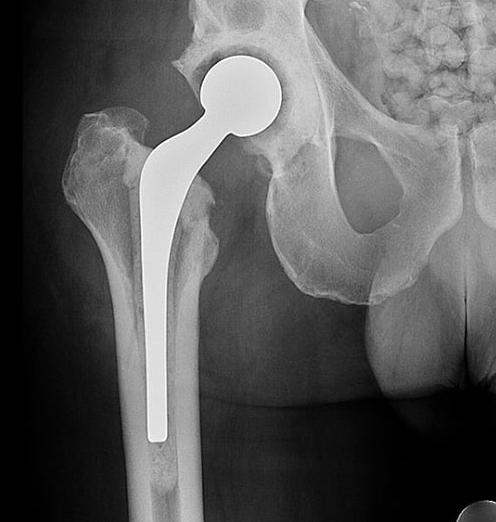 Periprosthetic infection remains one of the most serious complications following Total Joint Replacement. Although the infection rate after primary arthroplasty performed under proper sterile conditions is low—typically 1–2%, and up to 10% in revision surgeries—once an infection sets in, it can be extremely difficult to eradicate.
With more than one million joint replacements performed annually in the United States, the absolute number of infections is expected to rise, even if relative infection rates continue to decline.
A comprehensive review by Stephen J. McConoughey et al., published in the NLM database, provides an excellent overview of the role of bacterial biofilms in periprosthetic orthopedic infections.
Biofilms: The Hidden Driver of Periprosthetic Joint Infections
Modern understanding recognizes that most periprosthetic joint infections (PJIs) arise from “bacterial biofilms” that form on the implant surface and surrounding tissues.
Why Biofilms Matter
Biofilms are structured communities of bacteria encased in an **extracellular polymeric slime (EPS)**. This matrix:
– Anchors bacteria to prosthetic surfaces and periprosthetic tissues
– Shields them from immune responses
– Reduces antibiotic penetration
– Allows bacteria to enter slow‑growing or dormant “persister” states
– Enables cell-to-cell communication through quorum sensing
– Acts as a reservoir from which bacteria can intermittently disperse into joint fluid and tissues
These features make biofilm-associated infections uniquely persistent and difficult to treat.
How Biofilms Form on Orthopaedic Implants
1. Initial attachment
Free-floating (planktonic) bacteria adhere to the prosthesis or surrounding tissues.
2. EPS production
The bacteria secrete a protective slime matrix that cements the biofilm to the surface.
3.Maturation
Chemical gradients develop within the biofilm, creating microenvironments that support specialized bacterial phenotypes, including highly resistant dormant cells.
4. Communication and coordination
Close proximity allows bacteria to coordinate behavior through signaling pathways.
5. Dispersal
Bacteria periodically break free, causing recurrent or acute-on-chronic flare-ups.
Clinical Challenges of Biofilm-Associated PJIs
Biofilm infections behave very differently from typical planktonic infections:
– They are often subclinical and may present with vague or delayed symptoms.
– Cultures may be negative, complicating diagnosis.
– Acute symptoms often appear only when dispersed bacteria revert to rapid planktonic growth.
– Biofilm bacteria exhibit marked antibiotic resistance, making early detection and prevention crucial.
– Techniques such as “direct microscopy” and “sonication of removed hardware” support the central role of biofilms in PJIs.
– Diagnostic guidelines now integrate immunological, microbiological, and clinical criteria to address culture ambiguity.
Future Directions: Preventing and Treating Biofilm-Based Infections
Research is rapidly evolving, and several promising strategies are emerging:
1. Anti-biofilm Prosthetic Coatings
– Surface-bound antibiotics
– Metal oxide nanoparticles
These approaches aim to prevent bacterial attachment and early biofilm formation.
2. Local Antibiotic Delivery
Absorbable antibiotic-loaded bone cements offer effective drug release without leaving behind a permanent surface for biofilm growth.
3. Vaccines
Experimental vaccines targeting biofilm components—especially EPS—have shown encouraging results in laboratory models.
4. Dispersal Agents
Compounds that break down the EPS matrix can release bacteria from the biofilm, making them more susceptible to antibiotics.
5. Quorum Sensing Inhibitors
These agents disrupt bacterial communication, preventing coordinated biofilm development.
6. Targeting Dormant Cells
Novel strategies aim to activate proteases within dormant bacteria, triggering self-digestion of persister cells.
Conclusion
Periprosthetic joint infections remain a formidable challenge due to the unique biology of bacterial biofilms. As joint replacement surgeries continue to increase worldwide, understanding and addressing biofilm-based infections is essential. Advances in coatings, vaccines, dispersal agents, and anti-quorum technologies offer hope for more effective prevention and treatment in the future.
-
-
AuthorPosts

- You must be logged in to reply to this topic.